PastaBible selection guide

Sauce structure shapes every bite.

Pieces need somewhere to settle. Smooth sauces need continuous contact. Oil, water, cheese, and starch must stay emulsified. The sauce’s structure helps determine which pasta will carry it well.

This is a selected starting point, not a comprehensive list of Italian sauces. Compare three broad families, then open each guide for regional context and detailed technique.

FoundationTextureHeatFinish

Three guides to begin

Read the sauce before the name

A sauce family describes a broad structure. Individual dishes—such as amatriciana, spaghetti al pomodoro, or trenette al pesto—make more specific choices within a tradition.

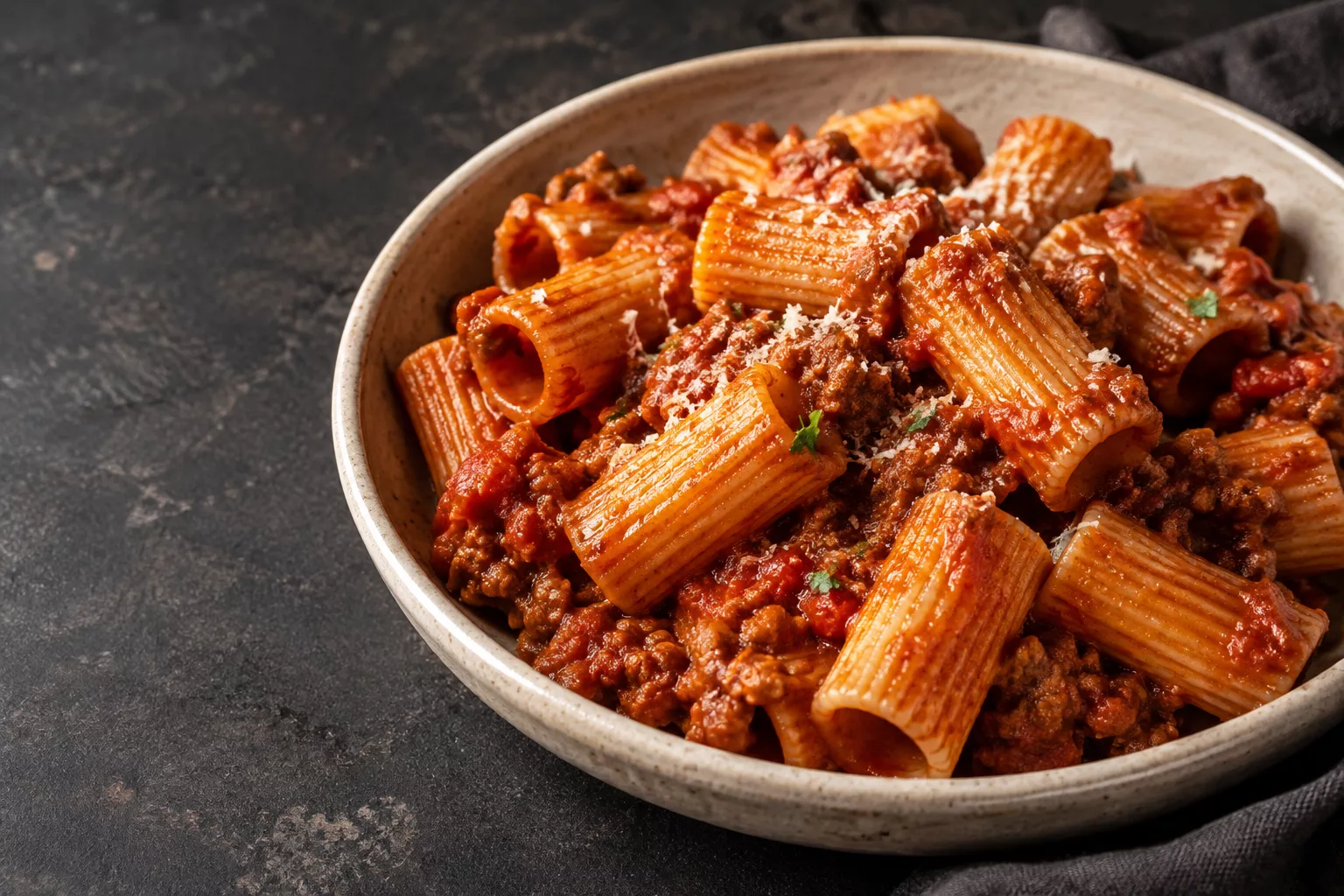
Slow-cooked meat ragù clinging to ridged rigatoni
Meat-basedCookedTextured

Ragù

A family of Italian meat sauces shaped by region, cut of meat, aromatics, liquid, and time—not simply tomato sauce with mince.

Foundation
Meat, aromatics, browning, and patient cooking
Best pasta characteristics
Sturdy tubes, broad ribbons, baked and layered pasta
Explore Ragù
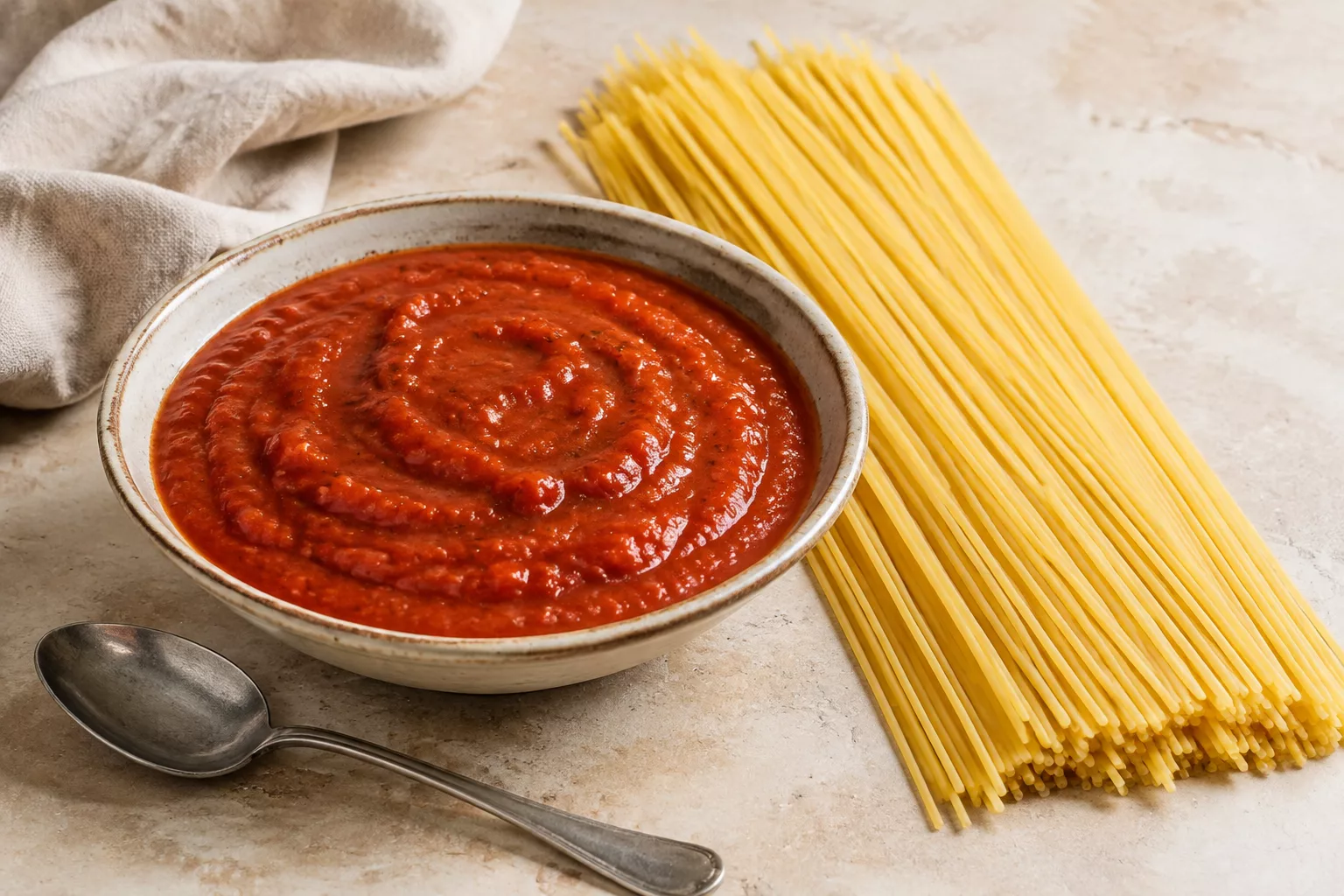
Smooth red tomato sauce in a bowl beside uncooked spaghetti
Tomato-basedCookedFlexible

Italian Tomato Sauce

A broad family ranging from fresh, lightly cooked tomato to smooth passata and deeply reduced, aromatic sauces.

Foundation
Fresh or preserved tomatoes, seasoning, and chosen aromatics
Best pasta characteristics
Long strands, ridged tubes, cups, and shaped pasta
Explore Italian Tomato Sauce
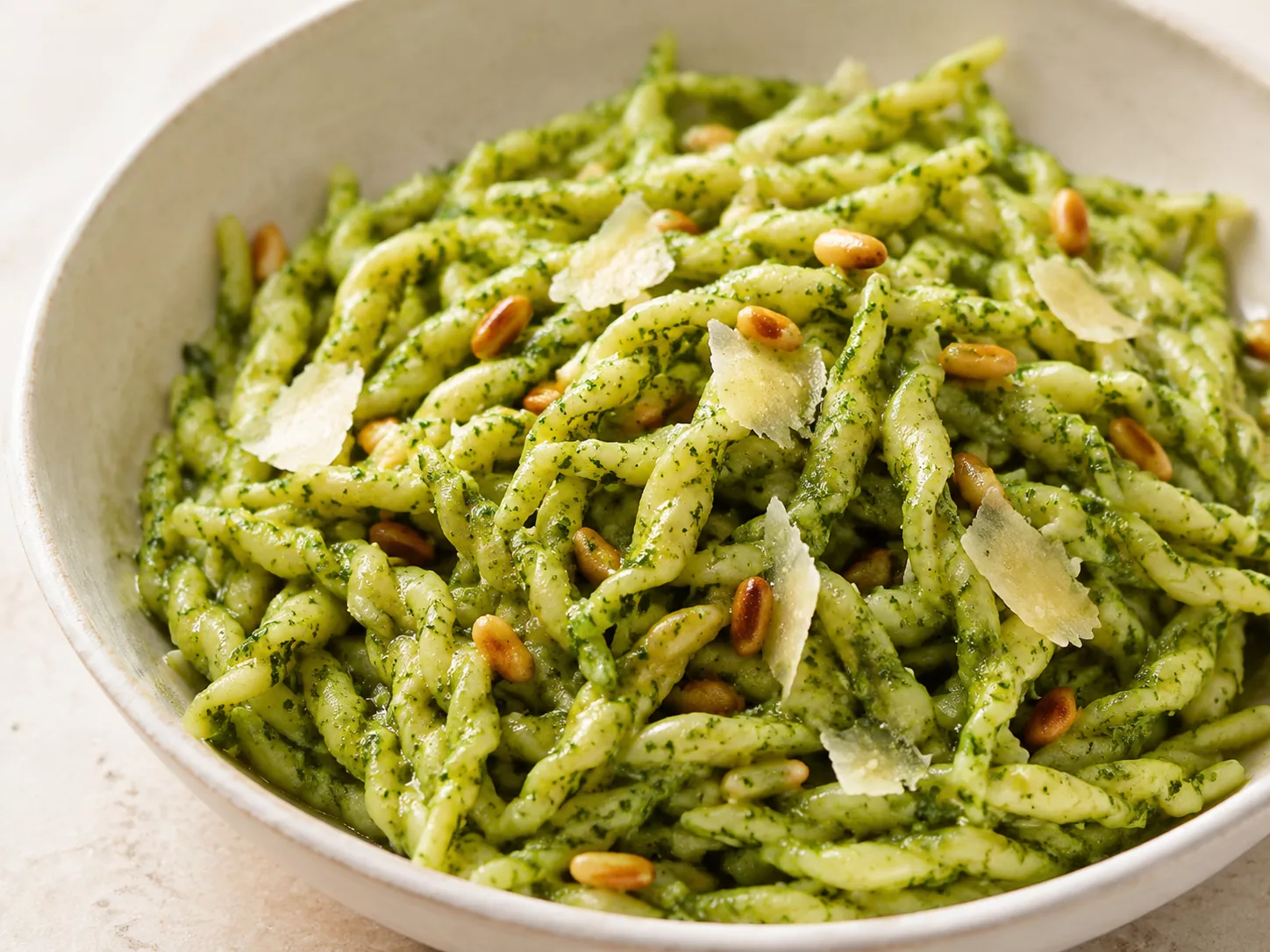
Twisted pasta coated in green basil pesto with pine nuts and shaved cheese
Herb-basedRaw finishEmulsified

Pesto

A method of crushing ingredients into sauce, with Liguria’s Pesto Genovese as its defining regional tradition.

Foundation
Basil, nuts, garlic, cheese, olive oil, and salt
Best pasta characteristics
Twists, narrow strands, folds, and small concave shapes
Explore Pesto

Side by side

Compare how the sauces behave

Pairings are practical tendencies, not rigid universal rules. Regional dishes, ingredient size, and the cook’s intended texture still matter.

Swipe horizontally to compare all columns →

Comparison of three selected pasta sauce families by foundation, texture, finishing method, preparation style, pasta characteristics, PastaBible shapes, and representative dishes
Sauce familyPrimary foundationTextureHeat & finishingPreparation styleBest pasta characteristicsPastaBible shapesRepresentative dishes
RagùMeat, aromatics, browning, wine or other liquid; tomato variesFine and cohesive to deeply chunkyCooked slowly; finished with pasta and cooking waterLayered stages and generally patient cooking rather than a quick assemblyRidges, tubes, broad ribbons, or layers that carry substantial sauceRigatoni; sometimes sturdy orecchiette for suitable regional-style meat condimentsTagliatelle al ragù, ragù Napoletano, lasagne, rigatoni with ragù
Italian Tomato SauceFresh tomatoes, whole peeled tomatoes, passata, or concentrated tomato productsLight and juicy, smooth, rustic, or reducedUsually cooked; tossed with pasta and emulsified as neededCan be brief and fresh-tasting or gently reduced for greater bodyMatch smooth sauce to strands; send pieces toward ridges, tubes, folds, or cupsSpaghetti, bucatini, rigatoni, farfalle, orecchietteSpaghetti al pomodoro, arrabbiata, amatriciana, puttanesca
PestoFor Pesto Genovese: basil, nuts, garlic, cheeses, olive oil, and saltFinely crushed, creamy, and loosened into an emulsionPrepared raw; warmed by pasta and finished away from direct high heatEfficient crushing or careful pulsing, followed by last-minute dilutionTwists, narrow strands, broad folds, or small cups with good surface contactSpaghetti, farfalle, orecchietteTrofie al pesto; trenette with pesto, potatoes, and green beans

Practical guide

How to choose a pasta sauce

Start with the experience you want: substantial pieces, an even coating, a glossy emulsion, or fresh herbal aroma. Then choose a pasta whose geometry supports that result.

01

For chunky sauces

Look for ridges, tubes, or cups. Rigatoni catches meat and vegetables inside and out; orecchiette gathers smaller pieces.

02

For smooth sauces

Use continuous surfaces such as spaghetti, or choose ridges when the sauce is thicker. The goal is an even coating, not a pool beneath the pasta.

03

For oil-based emulsions

Long strands encourage oil, cooking water, cheese, and starch to travel together. Bucatini adds a thicker bite; spaghetti remains more agile.

04

For herb-based sauces

Loosen pesto rather than cooking it hard. Twists are traditional; among current guides, farfalle offers folds and orecchiette offers cups.